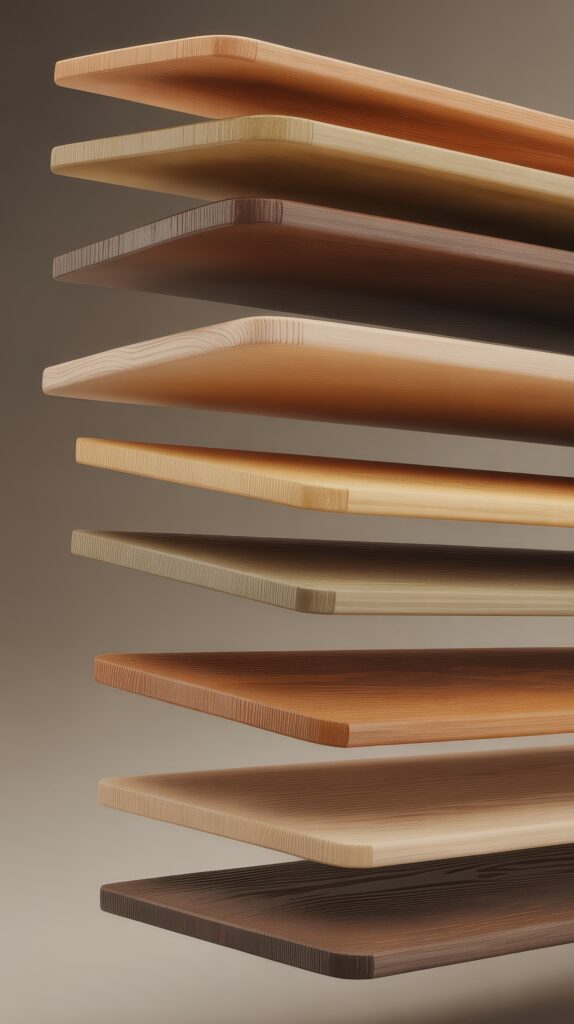
Enhancing your home’s aesthetic and functionality starts with good floor installation. A quality floor not only enriches your interior design but also promotes comfort and longevity. This guide dives into the secrets of expert floor installation, offering insights from professionals at Home & Hearth Floors Services. Whether you’re contemplating hardwood, laminate, or tile flooring, we aim to arm you with valuable knowledge for a successful flooring project.
Understanding Different Flooring Materials
- Hardwood Flooring
Hardwood is known for its classic beauty and robust durability. With options ranging
from oak to cherry, it can suit any interior style. However, hardwood requires regular
upkeep and may warp in humid areas, so it’s not always suitable for bathrooms.
- Laminate Flooring
Laminate flooring is a cost-effective substitute for hardwood. Its easy installation
process appeals to many homeowners. Laminate is resistant to scratches, making it
perfect for busy households with pets or children. However, it lacks the warmth of natural
wood and may not be as durable in high-traffic areas as some premium hardwood
options.
- Tile Flooring
Tile is exceptionally durable and water-resistant, making it ideal for kitchens and
bathrooms. With materials like ceramic and porcelain, the design possibilities are vast.
Nonetheless, tile can feel cold underfoot, and its installation can be more intricate and
time-consuming than other options.
- LVP ( Luxury Vinyl Plank ) Flooring
Luxury Vinyl Plank (LVP) flooring is a favored option among homeowners and
businesses because of its durability, visual appeal, and low maintenance requirements. It
replicates the look of natural materials such as wood or stone while offering numerous
practical benefits.
Each material serves different purposes. Understanding your specific needs, space, and lifestyle
will guide you in making the best choice.
Preparing for Floor Installation
Proper preparation is vital for a smooth installation process. Taking these steps can set you up
for success.
Assess the Space
Start by measuring your space accurately. Take into account the dimensions, room layout, and
any furniture that might obstruct the installation. For instance, a typical living room can require
around 300 square feet of flooring, so precise calculations will help prevent over or
under-ordering materials.
Choose the Right Installer
Hiring experienced professionals can relieve you of installation stress. Seek installers familiar
with your chosen flooring type. Check reviews and ask for references. For example, a flooring
service with a 4.5-star rating or higher typically suggests consistent quality.
Prepare the Site
Before installation, clean the area and remove any items from the floor. Confirm that the
subfloor is dry and level, as an uneven surface can lead to complications later on. It’s advisable
to address any repairs and improve underlayment to create a solid foundation for your new
flooring.
The Installation Process
Once preparations are complete, you can move forward with installation. Although techniques vary by material, here is a general outline.
Subfloor Preparation
The first step in installation is preparing the subfloor. It should be free of debris, level, and thoroughly dry. For hardwood, a vapor barrier may be required to protect against moisture.
Laying the Flooring
Installation methods will differ depending on the material:
- For Hardwood: Boards can be nailed down or glued. Each technique requires different tools and skills. For instance, nailing down hardwood might need a pneumatic nail gun for efficiency. For installing glued down hardwood, you’ll need the appropriate glue and a trowel to apply it.
- For Laminate: Most laminate flooring uses a click-lock system, making installation straightforward—often, a single person can complete a room within an afternoon.
- For Luxury Vinyl Plank (LVP): The installation process for LVP is notably similar to that of laminate flooring, primarily due to the fact that most luxury vinyl planks feature a user-friendly click-lock system.
- For Tile: Tiles are typically set using thin-set mortar, with grout filling joints afterward. This process may take longer, especially if intricate patterns are desired.
Finishing Touches
After laying the flooring, add finishing touches like trimming and baseboards. These elements enhance the overall look while ensuring a smooth transition from room to room.
Post-Installation Care and Maintenance
Regular Cleaning
Keep dirt and dust at bay with regular sweeping or vacuuming. For hardwood, use a damp mop and suitable cleaners, while tile and laminate have their own recommended products to avoid damage.
Addressing Wear and Tear
With time, all floors will show wear. Hardwood may need refinishing every 5 to 10 years. For tiles, re-grouting can refresh their appearance, typically needed every 3 to 5 years.
DIY vs. Professional Installation
When to DIY
If you feel confident in home improvement and your flooring choice, such as laminate, a DIY approach can yield good results. Many home improvement enthusiasts tackle laminate installation successfully because it’s user-friendly. On the other hand, if your project involves more than just one room, it might be wise to hire a professional. They have the expertise to handle any issues that arise and ensure the installation is done correctly.
When to Hire Professionals
Consider hiring professionals for the installation of hardwood or tile, or when your luxury vinyl plank (LVP) or laminate project involves more than one room. Their expertise ensures a flawless installation that endures for years, saving you from the inconvenience of potential rework and costly repairs.
Budget Considerations
Materials and Labor
It’s a common misconception that the cheapest option is the best. While affordability matters, durability should be a priority. When considering materials, remember that high-quality options often save you money on repairs over time. Labor costs can vary, so gather multiple quotes to ensure fair pricing.
Long-term Value
Investing in quality flooring can lead to long-term savings. High-quality materials typically require less maintenance and can boost your home’s market value. For example, homes with hardwood flooring can sell for up to 10% more than those with lesser options.
Final Thoughts
Expert floor installation involves much more than just laying down planks or tiles. It requires knowing your materials, preparing your space well, and ensuring top-notch workmanship. By following the insights shared in this guide, you can uncover the keys to a successful flooring project, elevating your home’s style and functionality.
Whatever flooring you choose to install, working with skilled professionals at Home & Hearth Floors Services can make all the difference. Invest in quality flooring today, and relish the beautiful and enduring results for years to come.